
OAF measures its work not only by projects delivered, but by whether communities, people and local systems are stronger because of them.
One Africa Foundation’s current impact position is clear: scale matters, but scale alone is not enough. Projects should create opportunity, strengthen communities and build capacity that can continue after direct support ends.
That is why OAF’s programme model combines local ownership, capacity building, evidence and learning. The goal is not activity for its own sake, but progress that communities can sustain.
OAF’s locked operating footprint across the continent.
Across education, health, gender equality, livelihoods, climate, governance and evidence.
Working through local partnerships, institutions and community structures.
Programme examples and community testimony help show how change is experienced in people’s everyday lives, alongside OAF’s wider reach figures.
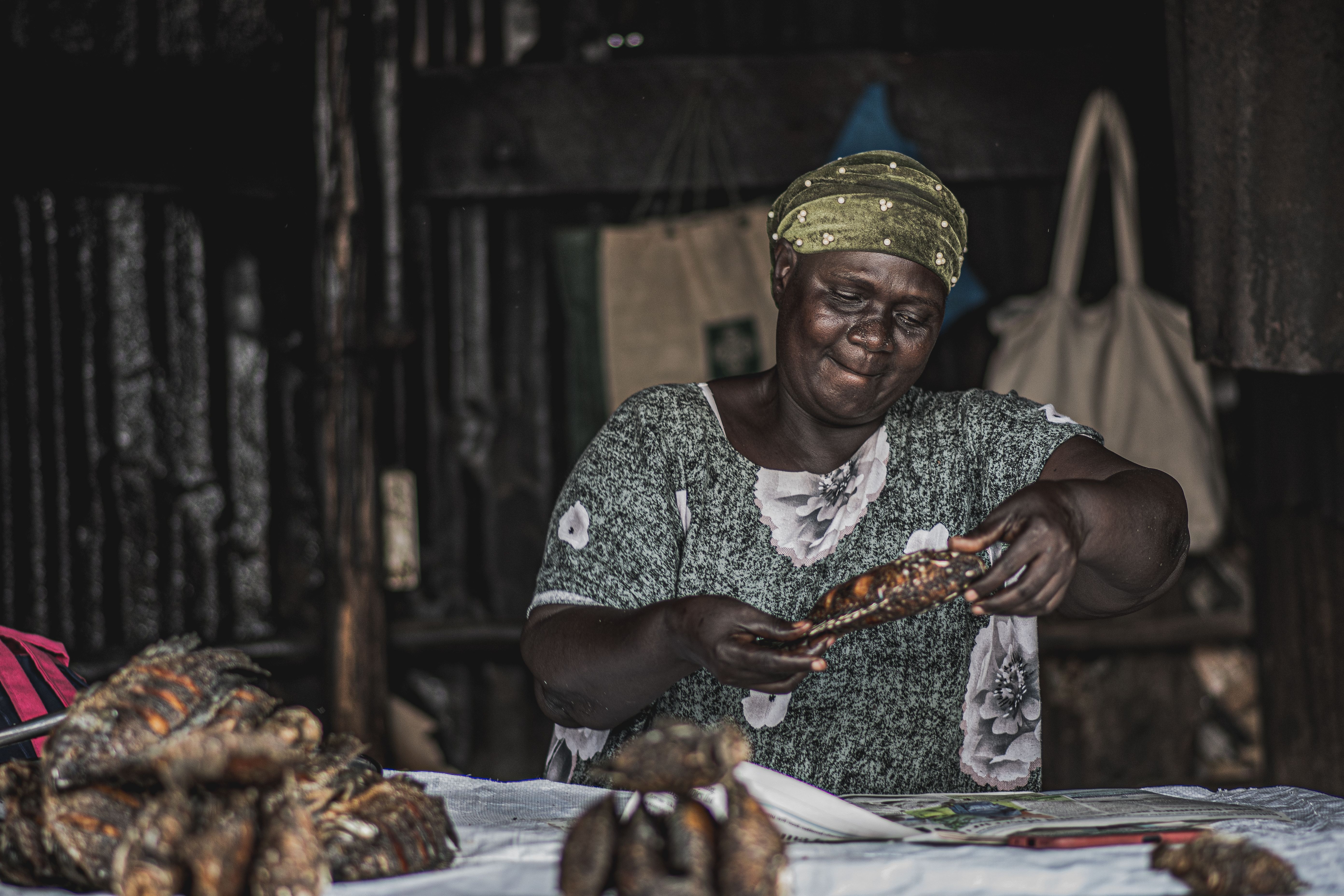
Business training and savings-group participation are presented by OAF as helping women strengthen enterprise, income and economic independence.

Skills training is connected to employment and enterprise opportunity.
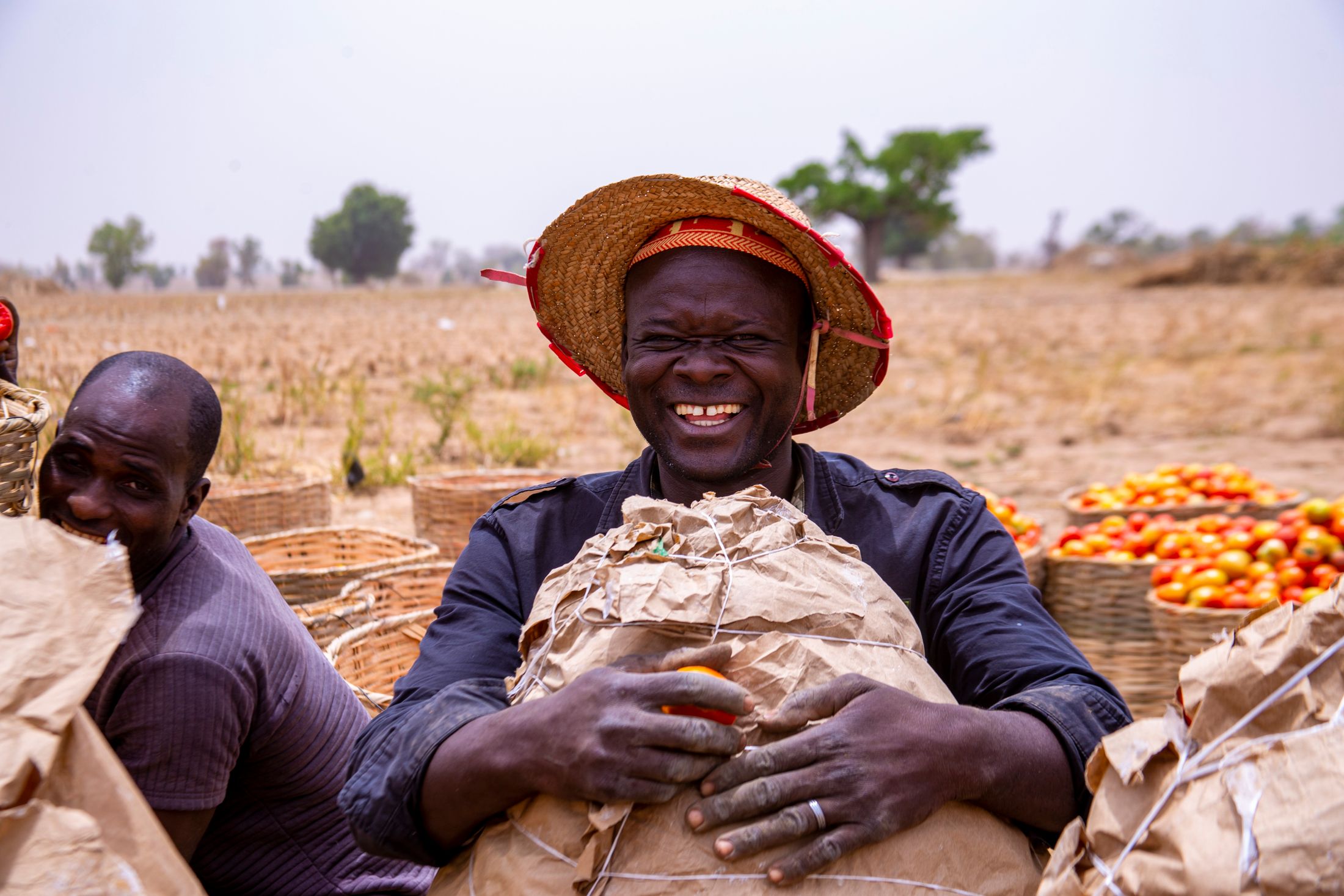
Climate-smart techniques help farming communities respond to changing weather.
Four voices reflecting different areas of OAF’s work.
“Before the program, I was surviving. After the training and the savings group, I am building. I now employ two women from my neighbourhood, and I plan to open a second location next year.”Mary W. • Women in Enterprise Graduate • Nairobi, Kenya
“I used to think digital jobs were only for people with university degrees. The Digital Skills Academy showed me that the opportunity was right here. Six months later, I had my first job in tech.”James K. • Digital Skills Academy Graduate • Kampala, Uganda
“The health workers came to our village and explained everything. What to feed my daughter, how to keep water clean. She was malnourished and I did not know. Because of the program, she is healthy now.”Grace N. • Community Health Program Beneficiary • Dodoma Region, Tanzania
“The weather changed. Our old ways stopped working. The Foundation taught us new techniques — and last season was our best harvest in five years. I am not afraid of the dry season anymore.”Josephine M. • Climate Smart Agriculture Participant • Southern Province, Zambia
OAF’s operating model explicitly includes measurement, evaluation, learning and scaling. Its affiliate ImpactED Knowledge provides the wider network’s specialised research and MEL capability.
Use data and structured evaluation to understand whether programmes are moving toward intended results.
Use evidence to adapt implementation rather than waiting until a project has ended.
Capture learning so successful approaches can be understood and improved.
Adapt approaches to new contexts instead of assuming one solution works everywhere.
Partner with OAF on programme implementation, research, evaluation, learning and evidence generation across its 25-country footprint.
Partner With Us →