Where We Work

Where we work.
How we deliver.

Across 25 African countries, One Africa Foundation works through local relationships, trusted partnerships and locally grounded programme pathways shaped by community priorities.

01 · Where We Work

A country should tell a story, not just appear on a map.

Our footprint spans four regions of Africa. Each country relationship is shaped by local priorities, community realities and the strengths OAF and its network can bring — from education and women’s empowerment to health, livelihoods, climate resilience, youth development and evidence.

Education & Skills

From access to opportunity

School re-entry, digital inclusion, TVET, teacher capacity and practical pathways from learning into work.

Women & Communities

Economic power starts locally

Women’s enterprise, financial inclusion, leadership, family wellbeing and community-led support structures.

Climate & Livelihoods

Resilience that protects incomes

Climate-smart agriculture, food systems, smallholder resilience, market access and livelihood recovery.

Evidence & Learning

Use evidence to improve delivery

Research, MEL, evaluation, learning and policy insight that help programmes adapt and scale responsibly.
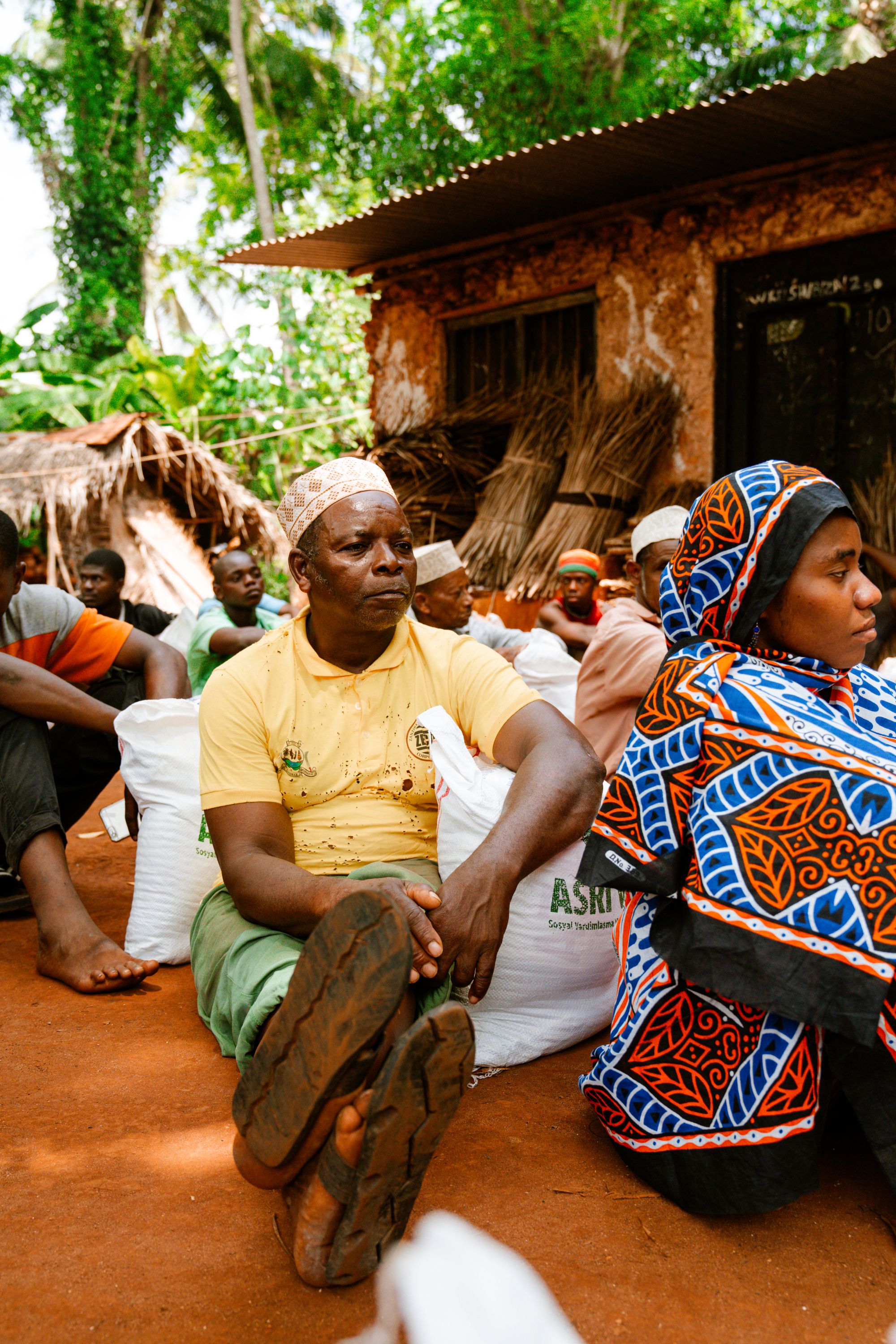
Community and development context in Kenya
Documented OAF evidence

Kenya

East Africa

OAF approach
Priority themes
Geographic focus
Programme lens

Our focus in this country

Programme priorities & highlights

Build the next chapter in Kenya.
Partnerships can combine local relationships, OAF programme priorities and specialist capability across the network.
Explore network capabilities →
Our approach is deliberately local. We build country relationships around community priorities, trusted partnerships and practical programme pathways rather than applying one model everywhere.
02 · Programme Stories

What communities faced. What OAF set out to change.

Explore selected OAF programme stories across Africa. Each one starts with the development challenge, shows the change OAF was working toward, explains the programme response, and then shows how learning from communities helped strengthen the next step.

Understanding resilience before scaling. A multi-region Cameroon assignment used community evidence to understand how livelihoods, access to services and social cohesion vary across very different local contexts.
Case 1 of 6

These are selected programme stories, not a project catalogue. Research and evaluation sit underneath each story as supporting evidence; the public narrative remains centred on the people, the development challenge, the programme response and what OAF learned.